






 0 comments
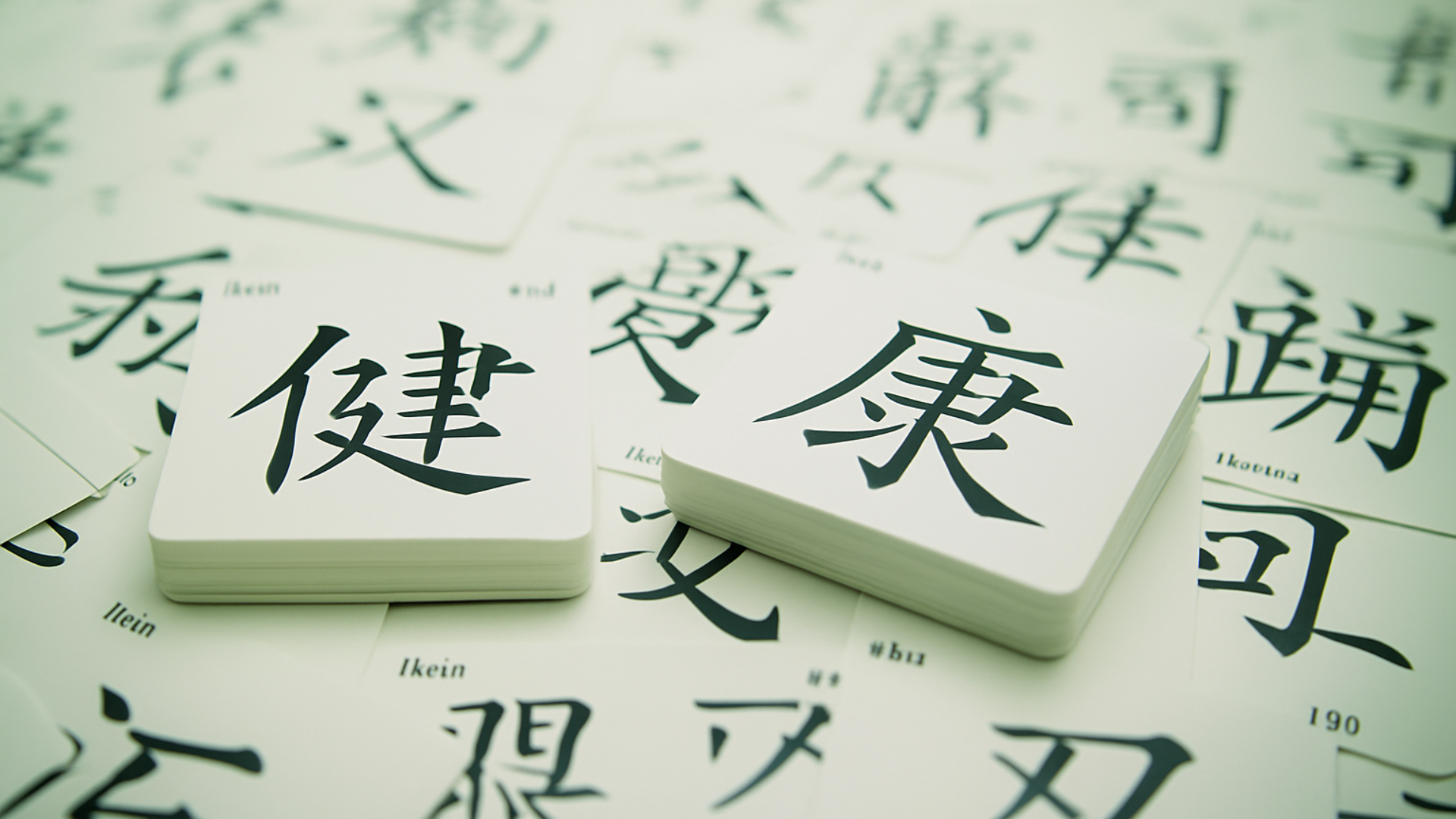
Nigeria is progressing toward transforming its education policy. Having recently conducted a national curriculum review, the administration has introduced Mandarin for inclusion into the senior secondary school curriculum.
This decision highlights Nigeria’s growing ties with China and signals a shift in how its largest demographic is preparing for work and education in an increasingly interconnected global economy of trade, diplomacy, technology, and learning. This begs the question of what it means for Nigerian Gen Z students, and what it means for China’s growing influence on the continent.
Nigeria is China’s second-largest trading partner in Africa, sending billions of dollars between the two nations annually. From major infrastructure investment in railways and highways to its increasing investment in oil, gas, and tech, China’s impact in Nigeria is sizable.
By adding Mandarin to schools, Nigeria is betting on the future. Officials argue that language is a gateway to opportunity, helping young Nigerians access jobs, scholarships, and networks in one of the world’s most powerful economies.
In an increasingly interconnected world, being multilingual is not just a skill, it’s currency. And with Mandarin spoken by more than 1 billion people globally, Nigeria’s students may find themselves better equipped to thrive in international spaces.
Nigeria is not going through this alone – Kenya, Ghana, Uganda, and South Africa have integrated Mandarin into their curricula in the last decade as well. To support this drive, the Chinese government has funded many of these initiatives through Confucius Institutes in dozens of African universities.
This education diplomacy is part of a broader ‘soft power’ strategy combining culture and language, not just trade deals. For African governments, it’s often framed as a win-win, students gain global skills while deepening ties with an influential partner.